
Bali Travel Guide: Everything You Need to Know Before Visiting the Island of the Gods
Bali Travel Guide – Planning your dream holiday to the Island of the Gods? This Bali Travel Guide is your complete resource for everything you need to know before visiting Bali. From choosing the best time to travel and understanding entry requirements to transportation, budgeting, safety, cultural etiquette, and insider local tips, our Bali Travel Guide is designed to help first-time visitors and returning travelers make the most of their journey. Whether you’re looking for luxury villas, beautiful beaches, cultural experiences, or unforgettable adventures, this Bali Travel Guide will help you plan a seamless and memorable Bali vacation with confidence.
Bali is more than a tropical getaway. It blends old traditions, stunning nature, upscale stays, and vibrant local culture. This mix creates one of the most memorable trips in the world. Whether you are planning your first visit, Bali travel guide has something for you.
It is also a great place for a romantic honeymoon. Families can enjoy a holiday there too. You can visit for a wellness break. You can also stay longer as a nomad. Mula sa luntiang rice terraces ng Ubud hanggang sa mga sikat na beach club ng Seminyak, maraming puwedeng puntahan. Nariyan ang matatarik na bangin ng Uluwatu at ang surf culture ng Canggu.
Nariyan din ang di pa gaanong nagagalaw na ganda ng East at North Bali. Bawat lugar ay may sariling kakaibang personalidad. What makes Bali truly special isn’t just its scenery. The warmth of the Balinese people stays with you. Their spiritual traditions stay with you. Their colourful ceremonies stay with you. Their genuine hospitality stays with you. This travel guide covers what you need before visiting Bali. It explains the best time to travel and visa rules. It also covers transport, budgeting, safety, local etiquette, and practical tips.
These tips help you make the most of your stay.
Why Visit Bali?
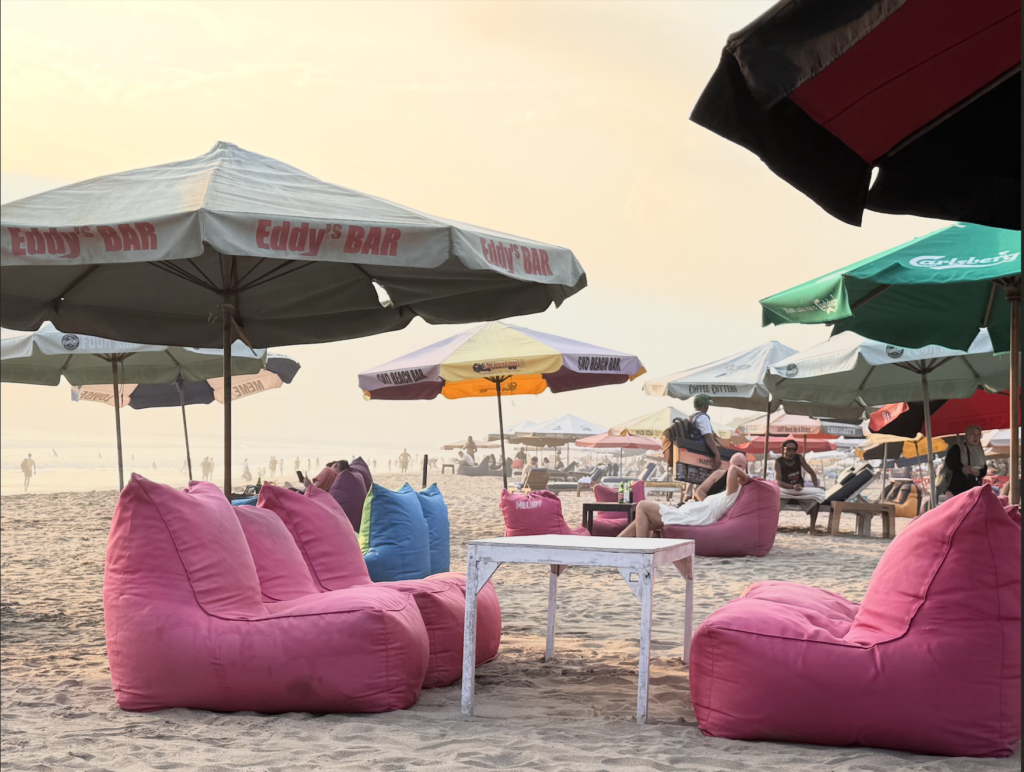
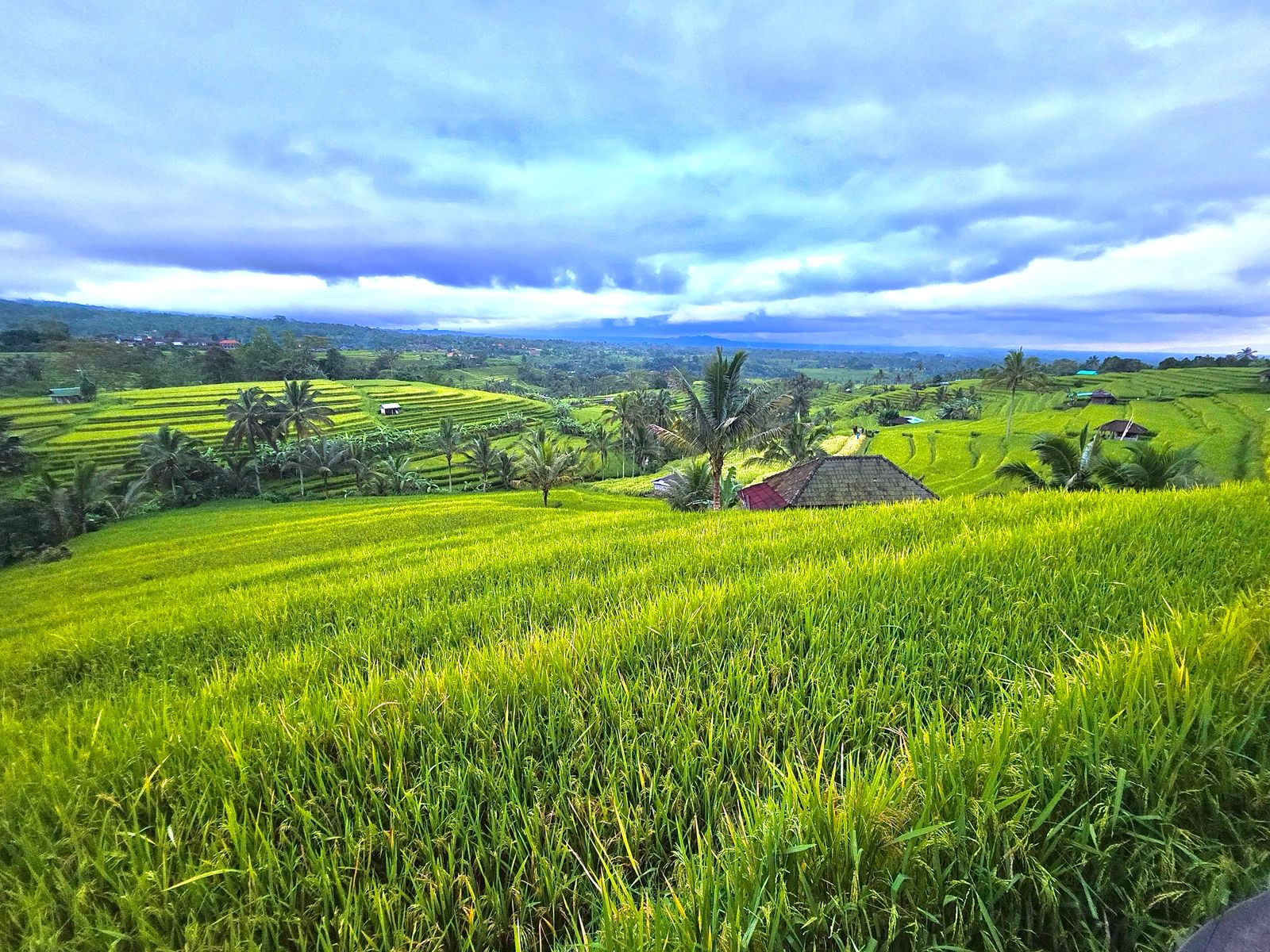
Few destinations offer the diversity that Bali does. In just one day, you can catch sunrise atop a live volcano, savour lunch with views of vibrant rice terraces, unwind by a private villa pool, and finish the night with a sunset beachfront dinner.
Bali is renowned for:
- Luxury private villas
- Beautiful beaches
- Rich Hindu culture
- Ancient temples
- World-class surfing
- Wellness retreats
- Yoga and meditation
- Fine dining
- Vibrant café culture
- Scenic waterfalls
- Volcano trekking
- Friendly locals
- Affordable luxury
Whether you are visiting Bali on a backpacker’s budget, the island offers great value. Whether you are staying in a luxury five-star resort, the island also offers great value.
Also read: Seminyak Travel Guide
Best Time to Visit Bali | Bali Travel Guide
One of the most common questions travellers ask is:
“When is the best time to visit Bali?”
The answer depends on the type of holiday you’re looking for.
Dry Season (April – October)
The dry season is widely considered the best time to visit Bali. During these months, the island enjoys sunny days, lower humidity, calm seas, and ideal conditions for outdoor activities.
This is the perfect season for:
- Beach holidays
- Surfing
- Diving
- Snorkeling
- Hiking Mount Batur
- Exploring temples
- Photography
- Outdoor dining
- Island hopping
Average temperatures range between 26°C and 31°C, making it comfortable for sightseeing throughout the day.
July and August tend to be the peak travel months, bringing steeper accommodation rates and heavier crowds, particularly in Seminyak, Canggu, and Ubud. If you’re visiting during school breaks or the height of summer, book villas months ahead.
Rainy Season (November – March)
The wet season doesn’t mean it rains all day. Instead, visitors can expect tropical showers, often during the afternoon or evening, followed by sunshine.
Advantages of visiting during the rainy season include:
- Lower villa prices
- Fewer tourists
- Greener landscapes
- Better hotel availability
- Quieter attractions
December is one of Bali’s busiest months because of Christmas and New Year celebrations. Accommodation prices rise, even though it is rainy.
Month-by-Month Overview
January
Warm weather with regular tropical showers. Great for spa retreats and luxury villa stays.
February
One of the quietest months. Excellent hotel deals and lush scenery.
March
Transition toward the dry season. Comfortable temperatures and fewer crowds.
April
Beginning of the dry season with clear skies and pleasant weather.
May
Ideal weather, moderate crowds, and excellent value for accommodation.
June
One of the best months for families and couples before peak season begins.
July & August
Peak tourist season with perfect beach weather, busy attractions, and vibrant nightlife.
September
Excellent weather with fewer crowds than August.
October
Warm temperatures and ideal conditions before the rainy season returns.
November
Occasional rain but still plenty of sunshine for sightseeing.
December
Festive atmosphere with busy restaurants, beach clubs, and holiday events.
Entry Requirements
Indonesia’s visa regulations can change, so travellers should always check official government information before departure.
For many nationalities, Bali offers:
- Visa on Arrival (VOA)
- Electronic Visa on Arrival (e-VOA)
- Tourist visas for longer stays
- Visa extensions
Before you travel, make sure your passport remains valid for at least six months after your arrival date and includes enough blank pages.
You may also be asked to provide:
- A return or onward flight ticket
- Proof of accommodation
- Evidence of sufficient travel funds
Bali Tourist Levy
Visitors are required to pay Bali’s tourist levy, introduced to support environmental conservation and cultural preservation across the island. Payment is typically processed online before you arrive, or at designated counters when entering Bali. Keep a copy of your payment confirmation during your trip.
Arriving at Bali Airport
Ngurah Rai International Airport (DPS) serves as Bali’s main international gateway.
After landing, you’ll typically proceed through:
- Immigration
- Baggage collection
- Customs
- Tourist levy verification (if applicable)
- Arrival hall
Do not take unrequested taxi solicitations inside the terminal. Instead, rely on official airport transport or approved ride-hailing services where allowed.
Getting Around Bali Travel Guide
Unlike many urban areas, Bali lacks a wide-reaching public transportation network, so most travellers depend on private transport.
Scooter Rental
Scooters remain the most popular option for experienced riders.
Typical daily rental:
IDR 80,000–150,000
Always inspect:
- Brakes
- Tires
- Lights
- Mirrors
- Helmet
- Insurance
International driving permits may be required depending on your licence.
Private Drivers
Hiring a private driver is one of the most convenient ways to explore Bali.
Benefits include:
- Air-conditioned vehicle
- Local knowledge
- Flexible itinerary
- Comfortable for families
- Great for day trips
Most drivers charge a fixed daily rate.
Ride-Hailing Apps
Both Grab and Gojek operate across much of Bali.
They’re ideal for:
- Airport transfers
- Restaurant visits
- Shopping
- Food delivery
- Grocery delivery
Some tourist areas have restrictions, so local taxis may still be necessary.
Blue Bird Taxi
Blue Bird remains one of the island’s most trusted taxi companies.
Always ensure the meter is running unless you’ve agreed on a fixed fare beforehand.
Money & Costs
Indonesia uses the Indonesian Rupiah (IDR).
New visitors are often surprised by the number of zeros on banknotes.
Example:
- IDR 100,000
- IDR 500,000
- IDR 1,000,000
Take your time when counting cash to avoid mistakes.
Average Daily Budget
Budget Traveller
IDR 600,000–1,000,000
Mid-Range Traveller
IDR 1,500,000–3,000,000
Luxury Traveller
IDR 5,000,000+
Luxury villa holidays vary by location, season, and included services.
Services may include private chefs, airport transfers, spa treatments, or concierge support.
Cards or Cash?
Major restaurants, supermarkets, beach clubs, and hotels accept credit cards.
However, cash is still recommended for:
- Local markets
- Small cafés
- Warungs
- Parking
- Temple donations
- Small shops
Always carry smaller notes.
Currency Exchange
Use licensed money changers.
Avoid:
- Street kiosks offering unusually attractive rates
- Counting money too quickly
- Leaving before recounting your cash
ATMs attached to banks are generally safer than standalone machines.
Safety in Bali
Bali is considered one of Southeast Asia’s safest tourist destinations. Violent crime is relatively uncommon, although petty theft can occur in busy tourist areas.
Simple precautions include:
- Keep valuables secure.
- Avoid leaving phones unattended.
- Use hotel safes where available.
- Stay aware of your surroundings in crowded places.
Road Safety
Traffic can be busy, especially in Seminyak, Canggu, and Kuta.
Always:
- Wear a helmet.
- Drive defensively.
- Avoid riding after drinking alcohol.
- Respect local traffic rules.
Swimming Safety
Some beaches have powerful currents.
Always pay attention to:
- Red warning flags
- Lifeguard instructions
- Changing tides
Choose beaches with lifeguards whenever possible.
Balinese Culture & Etiquette
Balinese Hinduism shapes daily life on the island. Visitors will see colourful ceremonies, temple processions, and small woven offerings called canang sari. People place them outside homes, businesses, and temples. These offerings show gratitude and devotion. Please avoid stepping on them whenever possible.
Temple Etiquette
When visiting temples:
- Wear a sarong if required.
- Cover your shoulders when appropriate.
- Speak quietly.
- Respect prayer ceremonies.
- Never climb on sacred structures.
- Ask permission before photographing worshippers.
During Ceremonies
Road closures may occur during religious processions. Rather than seeing them as a problem, take time to watch one of Bali’s most beautiful traditions with respect.
Also good to read: How to Travel Sustainably and Reduce Carbon Footprint
Essential Travel Tips
Download Offline Maps Bali Travel Guide Recommendations
Mobile reception is usually excellent. But offline maps can be invaluable in remote areas.
Buy a Local SIM Card
Leading carriers offer low-cost travel plans with generous data limits.
Stay Hydrated
Bali’s tropical climate can be hot and humid year-round. Carry a reusable water bottle and drink plenty of fluids.
Use Reef-Safe Sunscreen
Protect Bali’s marine ecosystems by choosing environmentally friendly sunscreen, especially if snorkelling or diving.
Respect Wildlife
Avoid attractions that exploit animals for entertainment, and choose ethical wildlife experiences instead.
Pack Smart
Bring light clothes and comfy walking shoes. Pack swimwear, a reusable water bottle, and insect repellent. If you visit in the wet season, bring a light rain jacket.
Bali best luxury villa rentals
For travellers seeking the perfect balance of privacy, comfort, and luxury, choosing a private villa is one of the best ways to experience Bali. Unlike standard hotels, villas offer spacious living areas, private pools, and personalized services that enhance the overall island experience. Whether staying in Seminyak, Canggu, Ubud, or Uluwatu, villa accommodation allows guests to enjoy Bali at their own pace while staying close to beaches, cafés, and cultural attractions. For curated stays and handpicked luxury options, explore our recommended Bali villa collection for the best private pool villas, honeymoon escapes, and family-friendly accommodations designed for a truly unforgettable island holiday.
Final Thoughts
Bali is a destination that rewards curiosity. Beyond its famous beaches and luxury villas lies an island rich in culture, spirituality, and natural beauty. Whether you’re watching the sunrise from Mount Batur, exploring hidden waterfalls, enjoying a traditional Balinese ceremony, or simply relaxing beside a private pool in Seminyak, every experience offers a deeper connection to the island’s unique charm.
Planning, respecting local customs, and embracing Bali’s slower pace will help you create a memorable, meaningful journey. In the next part of this guide, we’ll explore Bali’s top destinations.
These include Seminyak, Canggu, Ubud, Uluwatu, Sanur, Nusa Dua, and Jimbaran. This will help you choose the best place to stay for your travel style.
